
Tuesday Presentation:
Thursday Presentations:
- Session Halftime Check-in
- $how Me the Money: Ca$hing in on Grant Funding for Rural Communitie$
- Fields of Dreams: Working Agricultural Lands as Economic Engines and Cultural Assets
- Tall Timbers slides
- Opportunity in Action: Rural Areas Shaping Florida’s Tomorrow
Friday Presentations:
- Preserving Generational Wealth: The Role of Heirs Rights in Our Communities
- Step Into the Capital: Your Front‑Row Seat to Florida’s State Agencies/
- Beyond Mandates: Navigating Housing Legislation with Smarter Planning Tools
- From Control to Creativity: Thriving Amid Preemptions
- Property Tax Shake-Up: What Planners Need to Know Now

AGENDA
Our newest agenda features two seperate tracks, one focusing on legislative policy, and the other honing in on rural policy. Each track is limited to 45 people.
Some of our learning objectives for the legislative track includes information about communication with elected officials, what to expect this upcoming session, and more!
On the rural track, you can learn about some more locally-focused objectives, some examples being grant writing for rural counties and rural tourism conservation.
THURSDAY, JAN. 29
FRIDAY, JAN. 30
Legislative Track
- 2026 Florida Legislative Session Halftime Check-in
- How to Communicate Effectively with Elected Officials (Recording participants)
- Legislative Meet & Greets
- Advocacy Debrief: Lessons Learned & Next Steps (Recording participants)
- Group Session: Leveraging the Rural Renaissance Initiative
Rural Track
- Mobile Tour: Reinventing Rural Main Streets: Havana & Quincy in Action
- $how Me the Money: Ca$hing in on Grant Funding for Rural Communitie$
- Fields of Dreams: Working Agricultural Lands as Economic Engines and Cultural Assets
- Opportunity in Action: Rural Areas Shaping Florida’s Tomorrow
- Group Session: Leveraging the Rural Renaissance Initiative
Legislative Track
- Mobile Tour: State Agencies – Historic Preservation, DEP
- Beyond Mandates: Navigating Housing Legislation with Smarter Planning Tools
- From Control to Creativity: Thriving Amid Preemptions
- Property Tax Shake-Up: What Planners Need to Know Now
Rural Track
- Preserving Generational Wealth: The Role of Heirs Rights in Our Communities
- The Retention Revolution: Game-Changing Strategies for Today’s Rural Workforce
- Mobile Tour: It’s Alive! Coastal Conservation and Activation as a Resiliency Tool
Thursday Sessions and Speakers
Legislative Track |
Rural Track |
|
8 – 8:45 am: Session Halftime Check-inWe’ve reached halftime in the 2026 Florida Legislative Session and time to huddle up and review the playbook! This session will provide a comprehensive update on key bills moving through committees and hitting the floor, as well as a closer look at legislation APA Florida is actively monitoring. From high-impact proposals shaping planning and development to the much-anticipated glitch bills to SB 180, we’ll break down what’s in motion, what’s at stake, and what to watch as the second half of session unfolds. Join us for insights, strategies, and a chance to stay ahead of the legislative game. Speakers:
8:45 – 10:45 am: Speak Up for Planning:Mastering Conversations with Elected Officials(Participants will be recorded.) Advocacy starts with effective communication and knowing how to connect with elected officials is key. This interactive session, tailored for a rural focus, will give you practical strategies to make your message resonate. Through hands-on exercises, role-playing scenarios, and real-world tips, you’ll learn how to approach meet-and-greets with confidence and clarity. Plus, you’ll receive a downloadable advocacy communications toolkit to keep the momentum going after the workshop. Our goal: to empower you to champion planning initiatives that matter to your community, while building strong, productive relationships with decision-makers that you can utilize during your Meet + Greet. Speakers:
10:45 am – 12:30 pm: Wave One:Legislative Meet + GreetsYou’ve learned the strategies, now it’s time to use them! The Legislative Meet + Greets gives you the opportunity to connect directly with Florida legislators and staff and put your new communication skills into practice. APA Florida will provide talking points. 12:30 – 2:30 pm: Wave Two:Legislative Meet + GreetsYou’ve learned the strategies, now it’s time to use them! The Legislative Meet + Greets gives you the opportunity to connect directly with Florida legislators and staff and put your new communication skills into practice. APA Florida will provide talking points. 2:30 – 4 pm: Advocacy Debrief:Lessons Learned & Next Steps(Participants will be recorded.) After connecting with legislators, let’s come together to reflect and refine. This interactive debrief session is your chance to share what worked well, what challenges you faced, and how we can improve for future advocacy efforts. We’ll discuss key takeaways from the meet-and-greet, identify strategies to strengthen communication, and make adjustments to ensure even greater impact next time. Speakers:
4 – 5 pm: A Conversation: Leveraging Rural MomentumRural Florida is gaining unprecedented momentum in the Legislature and local elected officials are uniquely positioned to benefit from it. Senate President Ben Albritton has made the Rural Renaissance initiative the flagship priority for the 2026 session, and the sweeping proposal (SB 250) has the potential to reshape the trajectory of rural communities across the state.
This “fireside chat” will provide local leaders an opportunity to explore how this moment can be used to advance their community’s needs and planners’ role in these changes. From expanded healthcare access and education incentives to major investments in infrastructure like roads, sewer, and broadband connectivity, the initiative is designed to fuel economic development and enhance quality of life.
For county commissioners and other elected local officials, this is a prime opportunity to advance goals by leveraging funding opportunities and partnerships so that communities benefit from this rare window of statewide focus on rural prosperity. Speakers:
|
|
8 – Noon: Mobile Tour: Reinventing RuralMain Streets: Havana & Quincy in ActionExperience how the Main Street organizations in Havana and Quincy are leading bold transformations of their Rural Main Streets through the proven Four-Point Approach. These powerhouse Main Street groups work hand-in-hand with their CRAs and local city planners to spark arts-focused retail, creative placemaking, historic building rehabs, and targeted reinvestment that bring their downtowns to life.
This tour highlights how their collaborative model turns vision into action—giving rural communities practical, adaptable tools to energize public spaces, support small businesses, and reactivate treasured historic assets. Havana and Quincy showcase the momentum, creativity, and community pride that emerge when Main Street leaders, CRAs, and planners join forces to reinvent rural downtowns. Speakers:
1 – 2 pm: $how Me the Money: Ca$hing inon Grant Funding for Rural Communitie$With their combined nearly 20 years of experience, our panel of speakers have been successful in securing nearly $1.5B worth of awarded grant funding for their communities. By providing well-crafted proposals that clearly outline a compelling need, a realistic and detailed project plan, and measurable goals, all tailored specifically to the funder’s priorities and guidelines. Their results speak for themselves.
This interactive, workshop style, session will have you engaged in the process and leave you with perhaps a few tricks up your sleeve you can take back to use in your communities. Speakers:
2 – 3 pm: Fields of Dreams: Working AgriculturalLands as Economic Engines & Cultural AssetsWorking agricultural lands offer more than crops—they preserve open space, protect ecological systems, and maintain rural heritage while driving economic growth. This session explores how these landscapes enhance land value, support tourism, and serve as a conservation tool, balancing development pressures with long-term environmental and cultural benefits. Speakers:
3 – 4 pm: Opportunity in Action: RuralAreas Shaping Florida’s TomorrowAn RAO is a rural community, or a region made up of rural communities, that has been adversely impacted by an extraordinary economic event, severe or chronic distress, or a natural disaster, or that offers a unique economic development opportunity with regional significance.
About This Session:Join us for an inside look at two of Florida’s three RAOs. Opportunity Florida serves 12 counties in Northwest Florida, while the North Florida Economic Development Partnership spans 15 counties across North Central Florida and the Big Bend. Within these regions lie vast resources and significant infrastructure ready for business use. Yet, since 2018, these areas have faced unprecedented environmental and economic challenges.
As the saying goes, “Problems are just opportunities in disguise.” With this mindset, RAOs are turning adversity into innovation—developing new solutions, fostering resilience, and driving success in Florida’s rural communities. Discover how these regions are leveraging challenges to create growth and opportunity. Speakers:
4 – 5 pm: A Conversation: Leveraging Rural MomentumRural Florida is gaining unprecedented momentum in the Legislature and local elected officials are uniquely positioned to benefit from it. Senate President Ben Albritton has made the Rural Renaissance initiative the flagship priority for the 2026 session, and the sweeping proposal (SB 250) has the potential to reshape the trajectory of rural communities across the state.
This “fireside chat” will provide local leaders an opportunity to explore how this moment can be used to advance their community’s needs and planners’ role in these changes. From expanded healthcare access and education incentives to major investments in infrastructure like roads, sewer, and broadband connectivity, the initiative is designed to fuel economic development and enhance quality of life.
For county commissioners and other elected local officials, this is a prime opportunity to advance goals by leveraging funding opportunities and partnerships so that communities benefit from this rare window of statewide focus on rural prosperity. Speakers:
|
Friday Sessions and Speakers
Legislative Track |
Rural Track |
|
8 am – Noon: Tour + Meet & Greet: Step Into the Capital:Your Front‑Row Seat to Florida’s State AgenciesBeing part of the Capital Area Section means we’re just steps away from Florida’s key decision makers, so why keep that advantage to ourselves? We’re opening the doors and inviting you to experience it firsthand. This is a rare opportunity to engage face to face with the state officials who run these vital programs and gain firsthand insight into the agencies shaping Florida’s future.
We’ll start with a guided tour of downtown Tallahassee, hosted by the Downtown Improvement Authority and the Tallahassee Council on Culture & Arts. Our tour guides will showcase recent public realm enhancements including public art, streetscape modifications, park improvements, and memorials.
After the guided tour, we’ll bring state agency experts directly to you. Representatives from the Department of Environmental Protection’s Office of Water Policy and Ecosystem Restoration, and the Department of State’s Division of Historical Resources will share insights into the state programs and partnerships that support rural communities.
Speakers:
1 – 2 pm: Beyond Mandates: Navigating HousingLegislation with Smarter Planning ToolsHousing policy in Florida is evolving rapidly, and planners are often caught between state and federal mandates and local community needs. This session will help you sort through what’s within your control, and what isn’t, while equipping you with strategies to navigate legislative changes without losing sight of your local goals.
We’ll explore:
Join us for a thought-provoking discussion that challenges planners to move beyond compliance and embrace creative, effective solutions for housing in Florida.
Speakers:
2 – 3 pm – From Control to Creativity:Thriving Amid PreemptionsLocal control has long been the cornerstone of community planning in Florida, but state preemptions are reshaping the rules of the game. This session dives into the concept of home rule, its historical roots, and the growing trend of legislative actions that limit local authority.
We’ll explore recent and proposed changes, including the impact of measures like the Live Local Act, and uncover the drivers behind these shifts. Most importantly, you’ll learn practical strategies for designing effective local programs that thrive, even when state preemptions challenge your flexibility.
Join us to understand the evolving balance of power and how planners can adapt to protect community priorities.
Speakers:
3 – 4 pm – Property Tax Shake-Up:What Planners Need to Know NowFlorida’s property tax landscape is changing and planners need to keep pace. In this session, we’ll break down the implications of eight recent and competing legislative changes affecting residential property taxes and explore how these shifts influence land use economics and planning decisions.
We’ll also examine the ripple effects on tax increment financing (TIF) and other economic development tools, including those used by Community Redevelopment Agencies (CRAs). Join us to understand what these changes mean for your projects, your communities, and the future of planning in Florida.
Speakers:
|
8 – 9 am: Preserving Generational Wealth:
|
Please note: Walking is required for mobile tours/legislator visits, sometimes uphill. If you require ADA assistance, contact the Chapter Office before Jan. 16.
Other Events Happening During Summit Week
Tuesday, Jan. 27 | 12 – 1 pm ET
Free Webinar
Beyond the City Limits: Mobility
Solutions for Rural Areas
Rural communities face unique challenges in providing access to reliable transportation, public transit, and essential services.
This session explores innovative strategies to expand mobility access for rural residents, including demand-response transit, regional service partnerships, and infrastructure investments that support older adults, students, workers, and those without cars.
Attendees will learn how transportation planning and effective provision of services can address isolation, improve economic opportunities, and support access to healthcare, employment, and education.
This session will highlight scalable solutions that empower rural communities and connect people to opportunity. 1 CM
Speakers:
-
-
- TBA
-
Wednesday, Jan. 28 | 8 am – 4 pm
Educating Local Government Staff,
Officials on Planning Fundamentals
Planning Officials Training
This all-day training is ideal for appointed advisory board members, utilities or historic preservation board members, city clerks, or a local government employee who is eager to learn more about local planning and zoning fundamentals, land use law, future planning trends, and effective public engagement tactics. All positions and backgrounds are welcome.
Admission is $65 per attendee. Limited to 75 people.
Wednesday, Jan. 28 | 7 pm
Evening Entertainment
FSU Men’s Basketball vs.
Univeristy of California
Heading to Tallahassee for the Policy Summit? Add some excitement to your visit with FSU Men’s Basketball vs. Cal on Jan. 28! Join fellow attendees for a night of high-energy hoops and Seminole spirit. It is $27 per person.
Purchase game tickets during registration under Add Ons. If you have already purchase regstiration, contact the Chapter Office. Tickets are limited.
HOTEL ROOM BLOCK
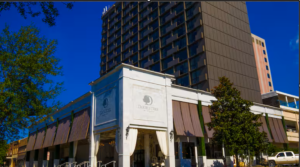 DoubleTree by Hilton Hotel Tallahassee
101 South Adams Street | Tallahassee, FL 32301
If you’re heading to Tallahassee for the event, don’t worry, we’ve reserved a special room block just for attendees. Rooms fill up fast during the legislative session, so book early to secure your spot at the DoubleTree by Hilton Hotel Tallahassee.
Availability is Jan 28 – 31, 2026 | $229 per night + tax
Contact the Chapter Office at 850-201-3272 or click here to reserve a room.
SPONSORSHIP OPPORTUNITIES
Sunshine Sponsor – $1,500
Exclusive Recognition at Thursday Reception
-
-
- Recognition in all Summit materials: verbal, on-site screen signage, and social media
- Recognition at Planning Officials Training as event sponsor
- 2 free full-page advertisements in the Florida Planning Magazine
- 2 free workshop registrations
- 4 free JobMart advertisements
- Acknowledgement post-event in Florida Planning Magazine
-
Magnolia Sponsor – $1,250
Exclusive Recognition at Lunch
-
-
- Recognition in all Summit materials: verbal, on-site screen signage, and social media
- Recognition at Planning Officials Training as even sponsor
- 1 free full-page advertisement in the Florida Planning Magazine
- 1 free workshop registrations
- 3 free JobMart advertisements
- Acknowledgement post-event in Florida Planning Magazine
-
Live Oak Sponsor – $750
Exclusive Recognition at Breakfast or Mobile Tour
-
-
- Recognition in all Summit materials: verbal, on-site screen signage, and social media
- Recognition at Planning Officials Training as even sponsor
- 1 free half-page advertisement in the Florida Planning Magazine
- 50% off 1 workshop registration
- 1 free JobMart Advertisement
- Acknowledgement post-event in Florida Planning Magazine
-
Canopy Sponsor – $500
-
-
- Recognition in all Summit materials, including: verbal, on-site screen signage, and social media
- Recognition at Planning Officials Training as event sponsor
- 1 free half-page advertisement in the Florida Planning Magazine
- 1 free JobMart advertisement
- 1 free year in Consultant Directory
- Acknowledgement post-event in Florida Planning Magazine
-
Orange Blossom Sponsor – $250
-
-
- Recognition in all Summit materials, including: verbal, on-site screen signage, and social media
- Recognition at Planning Officials Training as event sponsor
- 1 free year in Consultant Directory
- Acknowledgement post-event in Florida Planning Magazine
-
REGISTER FOR THE SUMMIT